
Infrared thermography is a non-contact, non-destructive testing (NDT) method that allows inspection of equipment while in operation. It is a critical tool in modern predictive maintenance services UAE and condition monitoring services UAE, helping industries reduce downtime, prevent failures, and optimize maintenance strategies.
Case Study 1: Electrical Panel Hot Spot Detection (Before Failure)
Application
Medium Voltage / MCC Panel – Industrial Facility (UAE)
Problem Identified
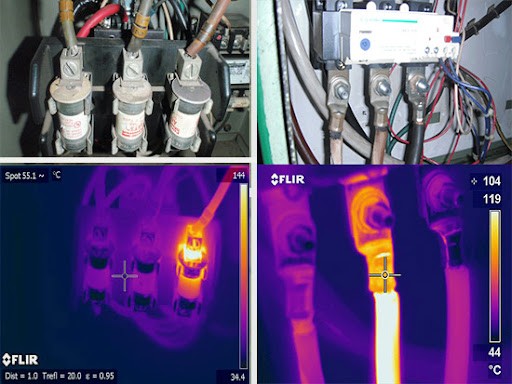
Thermal imaging revealed a localized hot spot (≈ 110°C) at a cable termination due to a loose connection and high resistance.
Risk
- Potential electrical failure and fire hazard
- Risk of unexpected plant shutdown
Action Taken
- Immediate tightening and re-termination of the connection
- Load balancing verification
Result (After Correction)
- Temperature reduced to < 45°C
- Eliminated failure risk
- Improved system safety and reliability
Impact: Prevented a major failure and avoided costly downtime.
Case Study 2: Bearing Overheating in Pump (Mechanical Fault)
Application
Process Pump – Continuous Operation Plant
Problem Identified
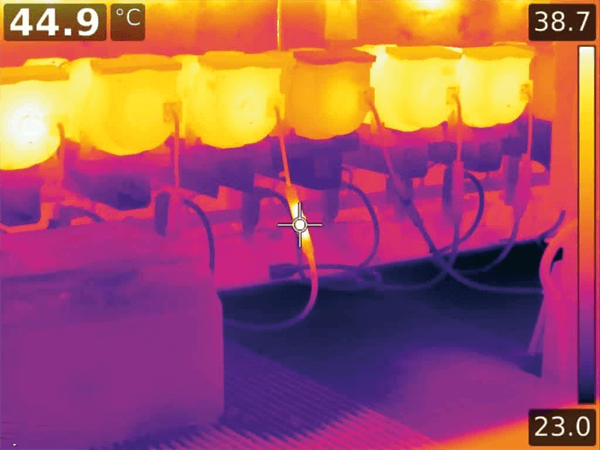
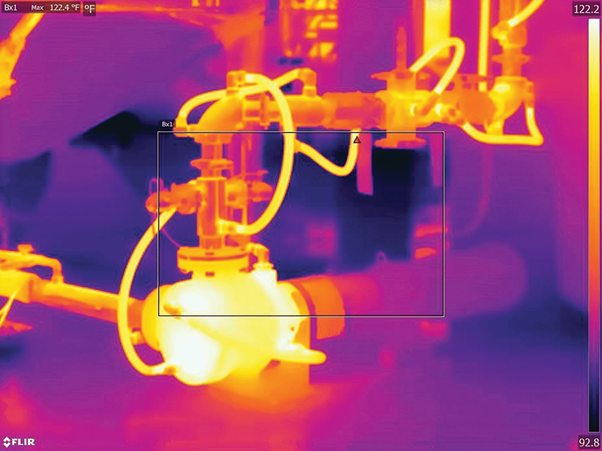
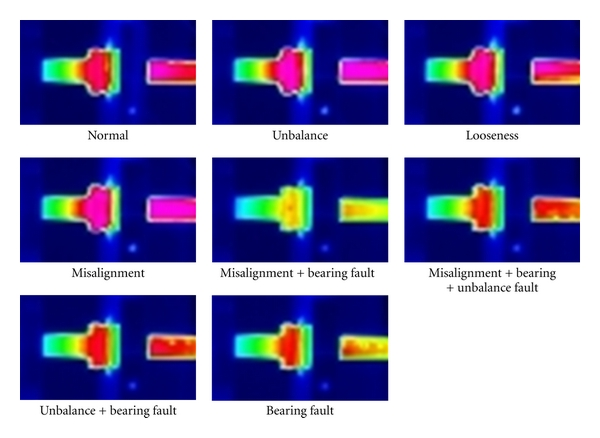
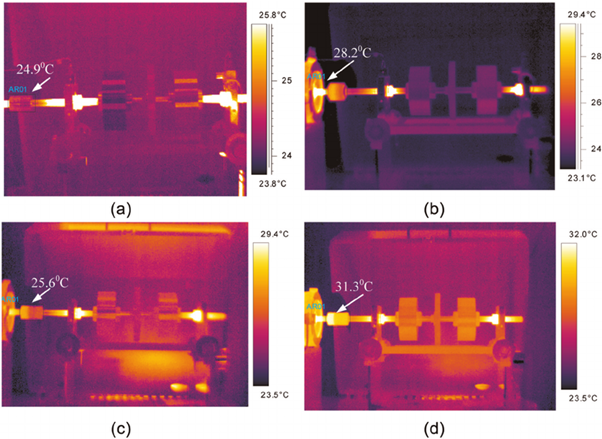
Abnormal heat signature on bearing housing (~95°C) indicating misalignment and lubrication deficiency.
Risk
- Bearing failure
- Secondary damage to shaft and coupling
- Production interruption
Action Taken
- Laser alignment correction
- Lubrication improvement
Result (After Correction)
- Temperature reduced to ~55°C
- Smooth operation restored
- Extended bearing life
Impact: Increased equipment reliability and reduced maintenance cost.
Case Study 3: Steam Line Heat Loss & Insulation Failure
Application
Steam Pipeline – Process Industry
Problem Identified
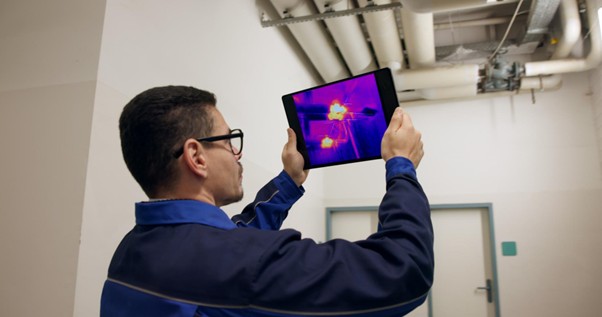
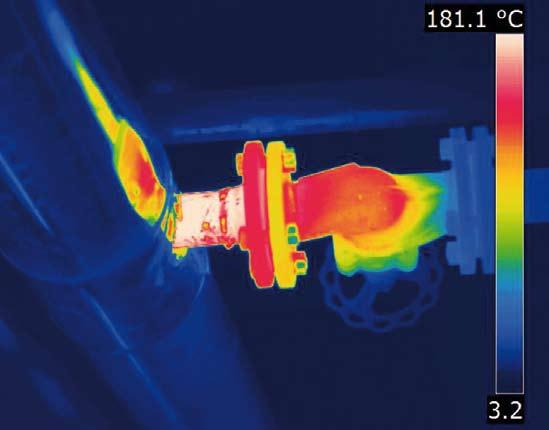
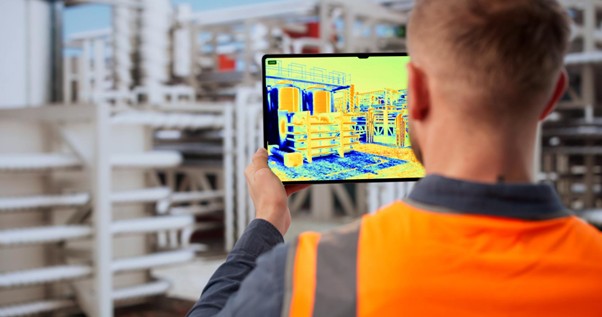
Thermal imaging identified insulation degradation and heat leakage zones along steam lines.
Risk
- Significant energy loss
- Reduced process efficiency
- Increased operating costs
Action Taken
- Insulation repair and replacement
- Steam trap inspection
Result (After Correction)
- Reduced surface temperature
- Improved thermal efficiency
- Lower energy consumption
Impact: Achieved measurable energy savings and supported UN SDG energy efficiency goals.
Case Study 4: Transformer Hot Spot Detection
Application
Power Transformer – Utility / Industrial Facility
Problem Identified
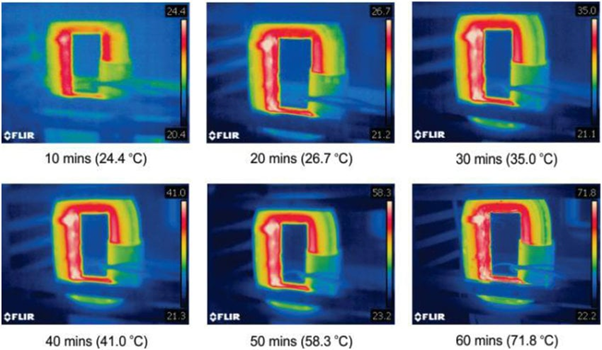
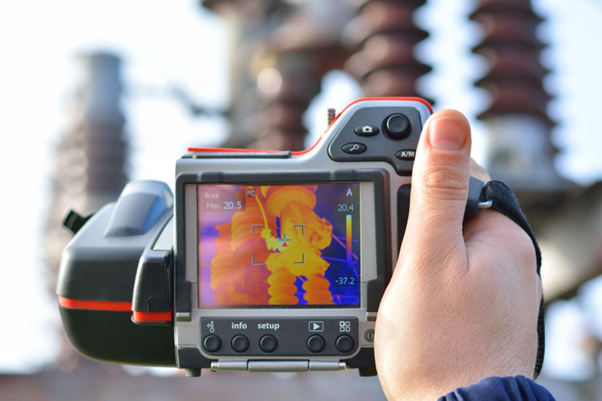
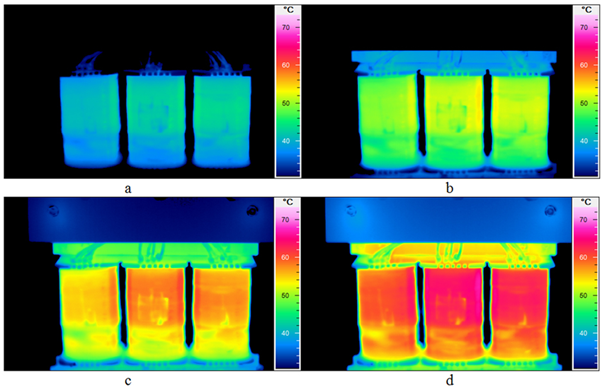
Localized hot spot detected on transformer bushings and connections.
Risk
- Transformer failure
- High replacement cost
- Extended downtime
Action Taken
- Connection tightening and cleaning
- Cooling system inspection
Result (After Correction)
- Uniform temperature distribution
- Reduced hotspot intensity
Impact: Prevented critical asset failure and ensured continuous power supply.
Case Study 5: HVAC System Energy Loss Detection
Application
HVAC System – Commercial Facility (UAE)
Problem Identified
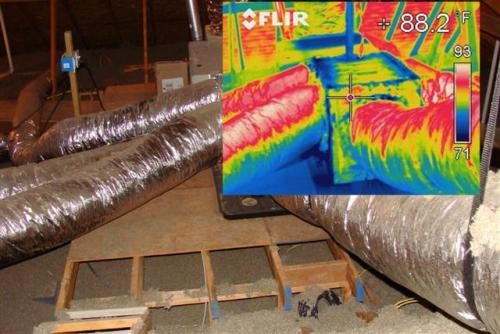
Thermal imaging detected air leakage and insulation defects in ducting system.
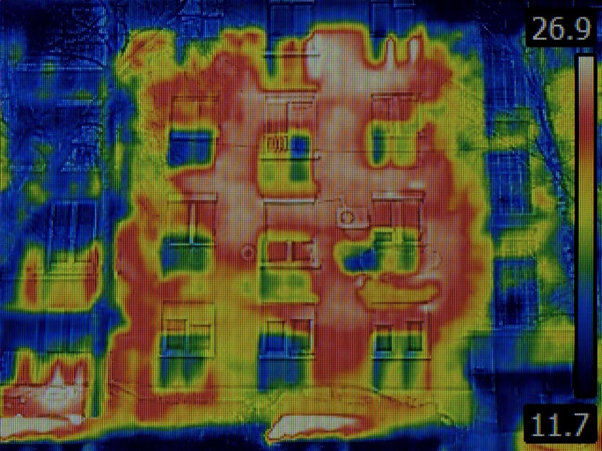
Risk
- Reduced cooling efficiency
- Increased energy consumption
- Higher operating cost
Action Taken
- Duct sealing and insulation repair
Result (After Correction)
- Improved airflow efficiency
- Reduced energy consumption
Impact: Enhanced system performance and reduced energy costs.
Infrared thermography is a powerful and proven solution for identifying hidden faults before they escalate into costly failures. By enabling early detection of electrical and mechanical issues, it supports safer operations, reduces downtime, and improves overall equipment reliability. Integrating thermography into your maintenance strategy not only enhances efficiency but also helps organizations move toward a more proactive and data-driven approach to asset management.
